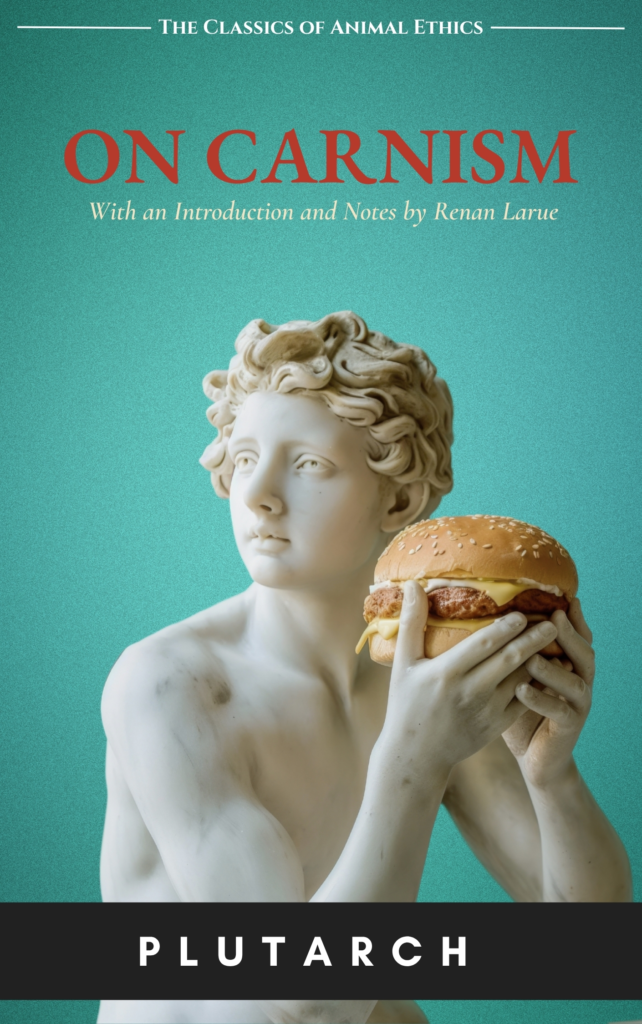
On Carnism
Plutarch
On Carnism presents a new edition of Plutarch’s De Esu Carnium, one of antiquity’s most powerful critiques of meat-eating and a foundational text in the history of animal ethics. This edition features a new introduction and notes by Renan Larue and brings Plutarch’s arguments into conversation with the long history of ethical reflection on humanity’s treatment of animals. It also includes two additional works by Plutarch devoted to animals and their moral status, offering a broader view of his remarkably original thinking on animal intelligence, justice, and the human-animal relationship.
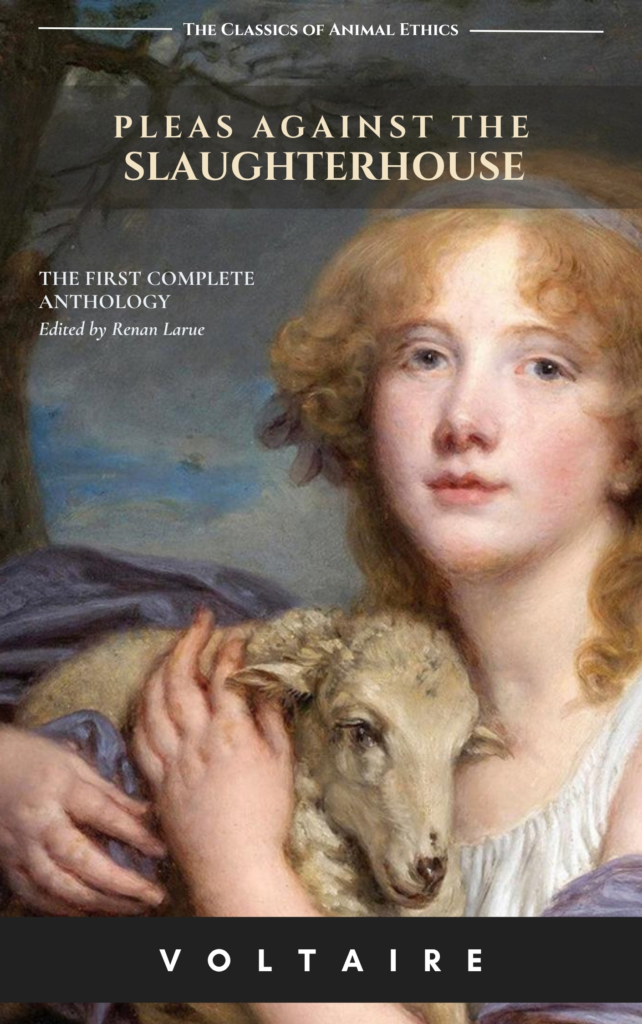
Pleas against the Slaughterhouse
Voltaire
For the first time, this volume brings together Voltaire’s most powerful writings in defense of animals and against the violence inflicted upon them, particularly their slaughter for food. A passionate critic of animal cruelty and advocate of vegetarianism, Voltaire made these questions an important yet long-overlooked part of his thought. This anthology restores animal ethics to its rightful place in his intellectual legacy, revealing a strikingly modern voice for compassion, justice, and respect for animal life.
For the first time, this volume brings together Voltaire’s most powerful writings in defense of animals and against the violence inflicted upon them, particularly their slaughter for food. A passionate critic of animal cruelty and advocate of vegetarianism, Voltaire made these questions an important yet long-overlooked part of his thought. This anthology restores animal ethics to its rightful place in his intellectual legacy, revealing a strikingly modern voice for compassion, justice, and respect for animal life.
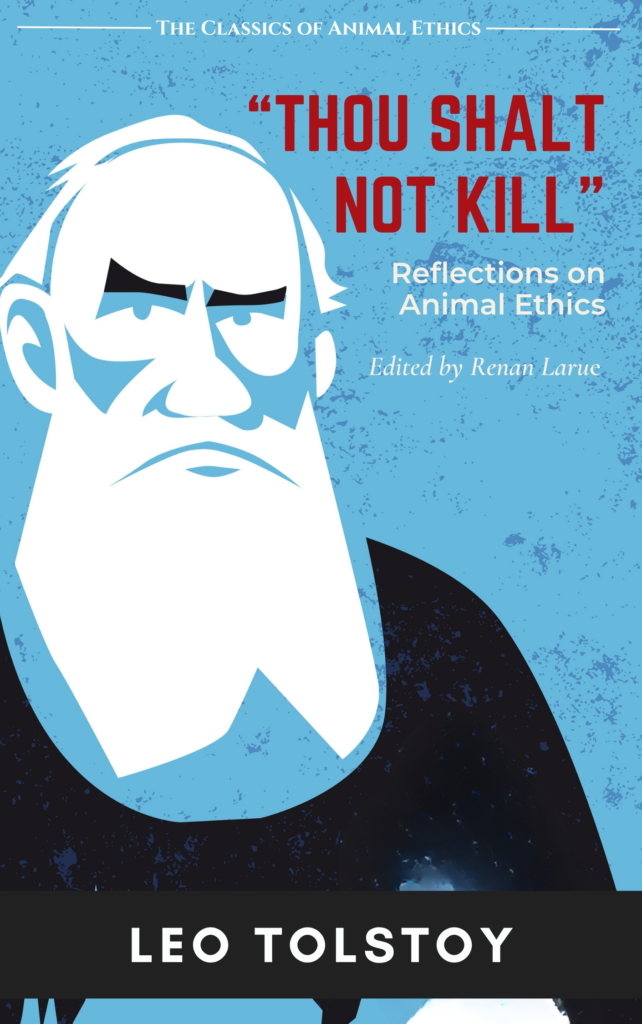
“Thou Shalt Not Kill”
Leo Tolstoy
“Thou Shalt Not Kill” brings together, for the first time in a single volume, Tolstoy’s writings devoted to animals and vegetarianism. From his harrowing account of a visit to a slaughterhouse to his reflections on compassion, suffering, and humanity’s duties toward other living beings, these texts reveal animal ethics as an important dimension of Tolstoy’s moral and spiritual thought. Edited by Renan Larue, this long-awaited anthology offers the first collection devoted specifically to Tolstoy’s writings on the animal question.
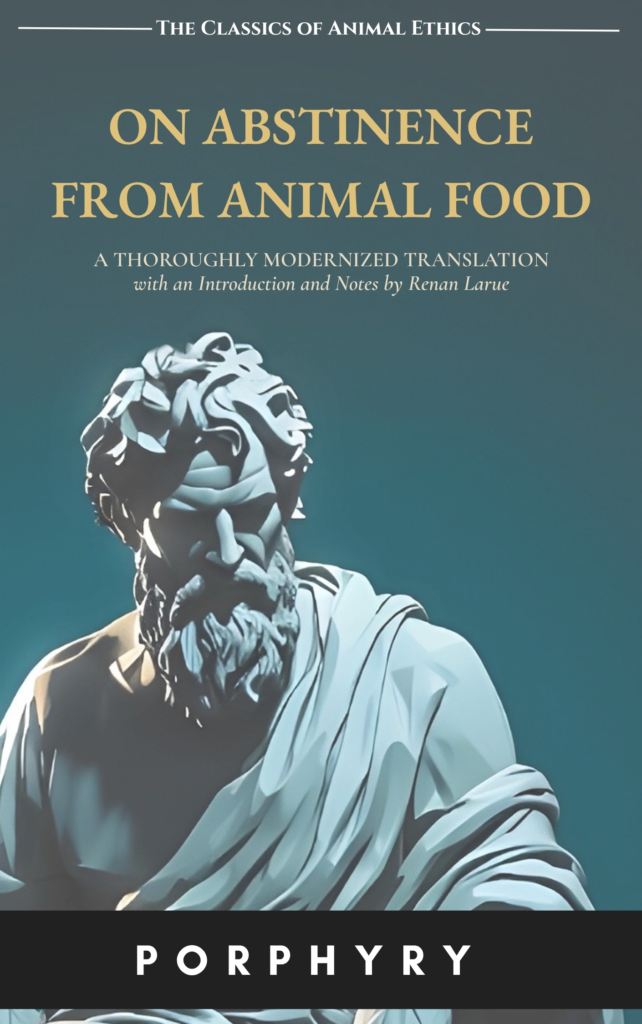
On Abstinence from Animal Food
Porphyry
On Abstinence from Animal Food is a landmark of ancient philosophy and a foundational work of animal ethics. Porphyry explores questions that remain strikingly contemporary: our duties toward animals, their suffering, the ethics of eating them, and our relationship with the natural world. Extensively modernized, annotated, and introduced by Renan Larue, this new edition makes his thought remarkably accessible. Clear, lively, and surprisingly modern, it reveals the enduring power of Porphyry’s arguments and his major place in the history of animal ethics.